Introduction
Though my soul may set in darkness, it will rise in perfect light; I have loved the stars too truly to be fearful of the night
– Twilight Hours (1868) by Sarah Williams
Science is complicated and often tedious in its execution. However, it is also interesting, inspiring and has the potential to change people’s lives. While most scientists spend their time researching in their respective fields of interest, it is also their duty to keep the public informed about recent developments and findings. This will raise public awareness and interest in science, influence their attitudes and behaviour as well as address social problems. On a larger scale, science communication also informs policy decisions made by governments that have far-reaching consequences in society.
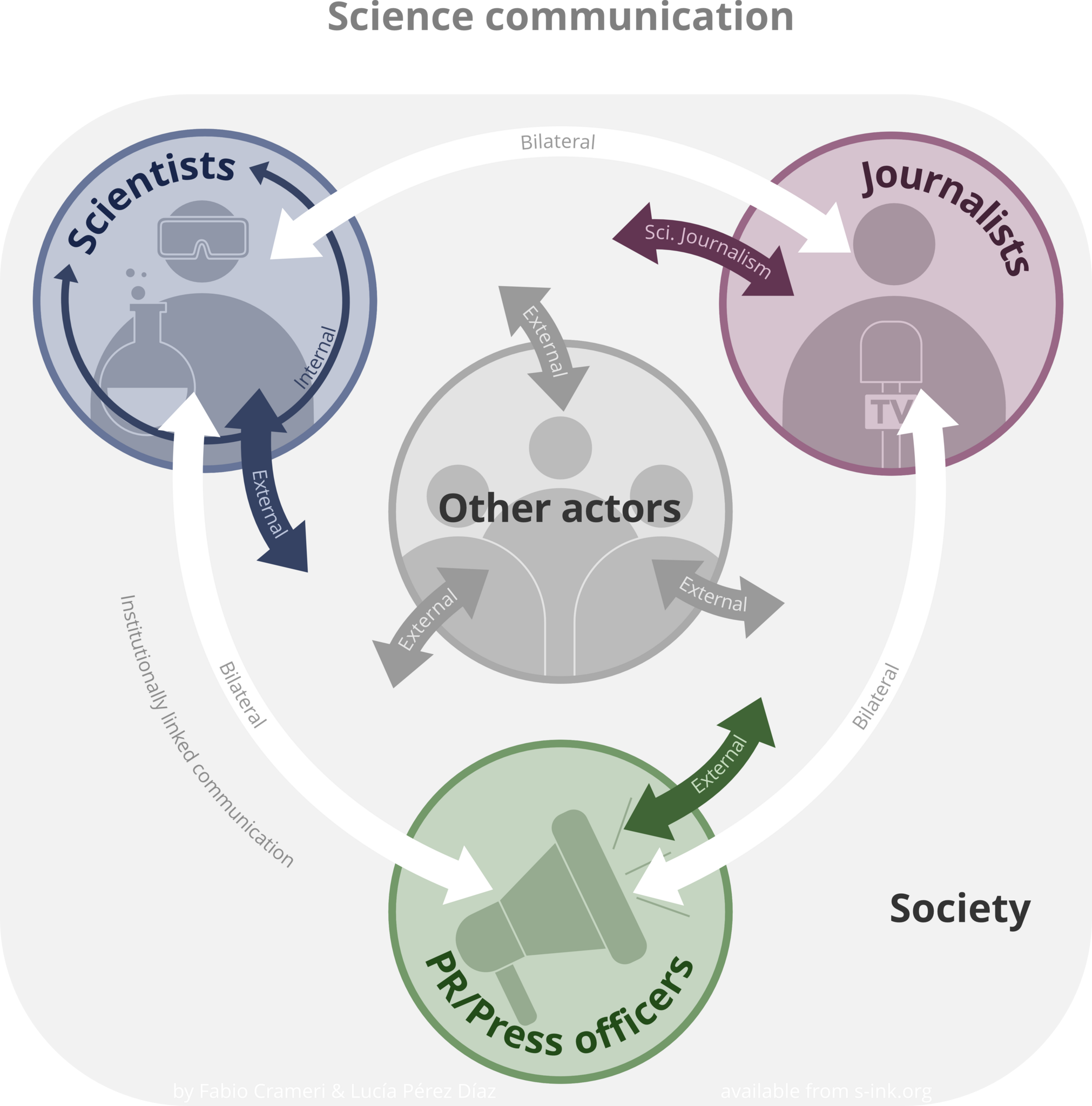
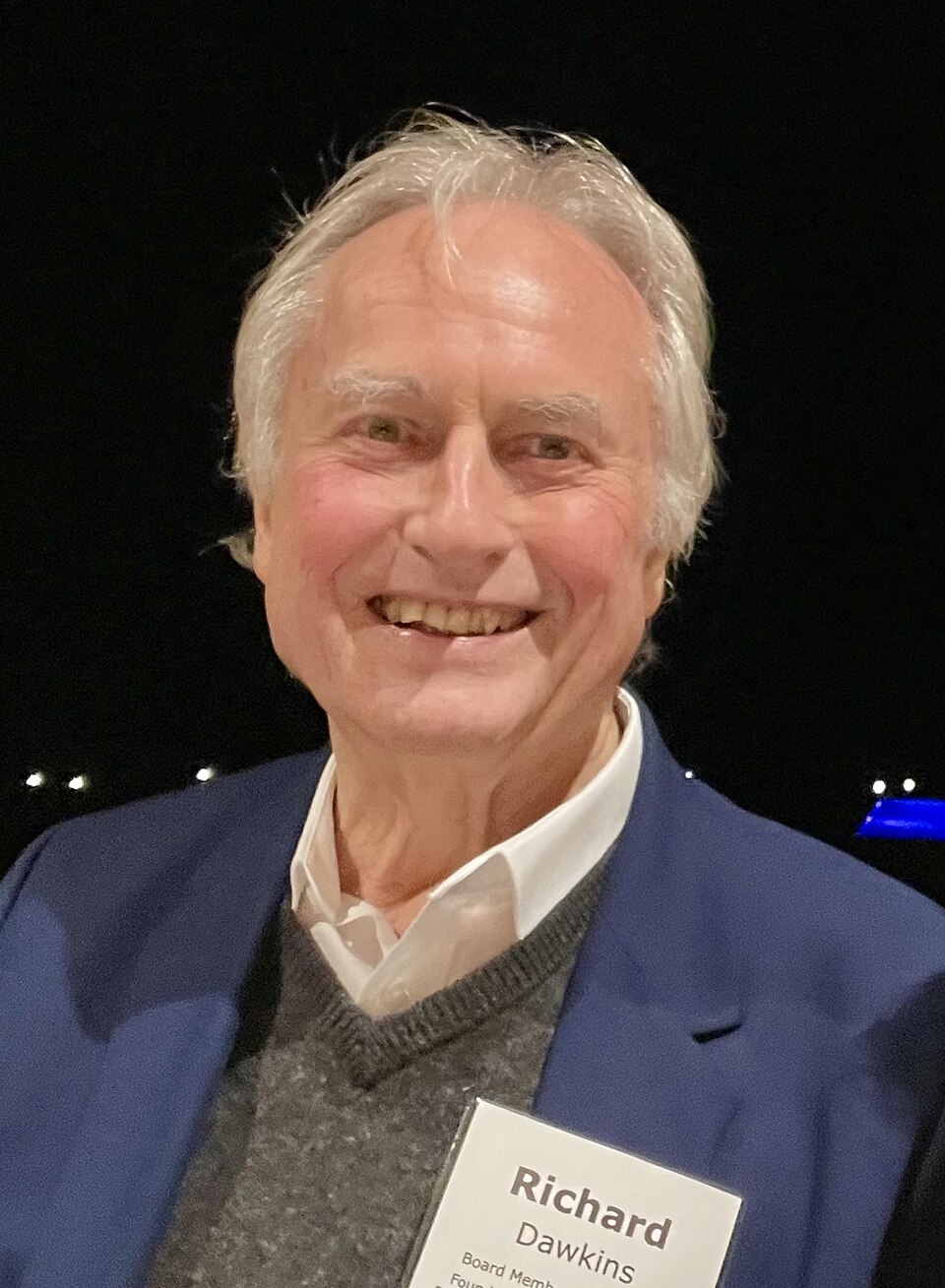
While we have already explored how scientists share information between themselves (through peer-review), in this chapter, we will discuss how scientists share information with non-scientists. The forms of science communication can vary in form from science journalism, health communication, podcast appearances, and public workshops and exhibitions. There are also people who popularise scientific subjects through documentaries, films, and popular-science books. They can include scientists (like Richard Dawkins or Neil deGrasse Tyson) as well journalists and filmmakers (like David Attenborough). Such communicators may focus on specific topics that are of interest to them (evolution for Richard Dawkins; language and thinking for Steven Pinker; or Astrophysics for Neil deGrasse Tyson) and help raise awareness about these topics.
 |
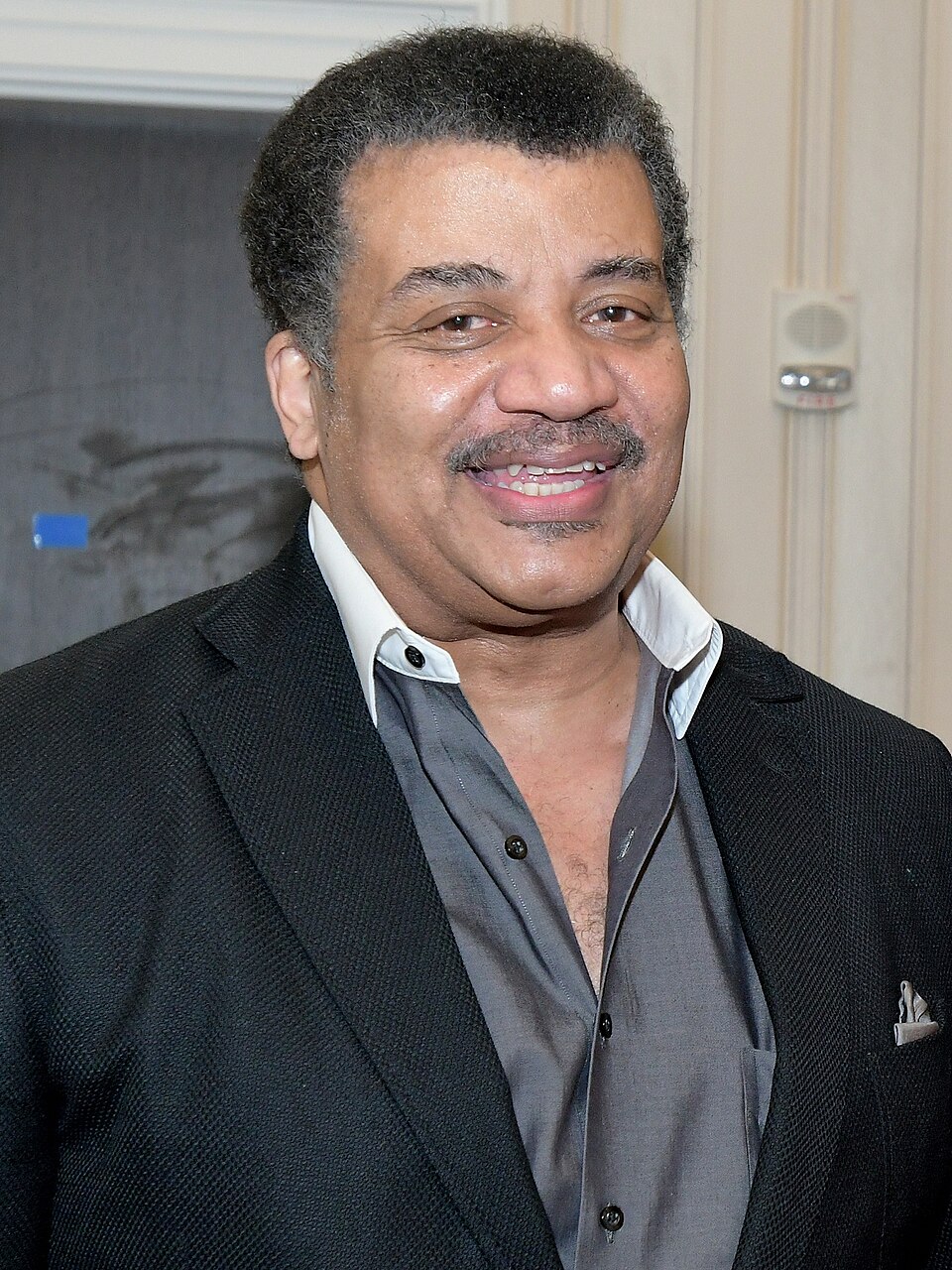 |
Figure 12. 2 Richard Dawkins and Neil DeGrasse Tyson are popular communicators of science. In addition to their peer-reviewed publications, they have published numerous popular science books aimed at the general public. Jessica/Feb 20: Image is missing its license
Thomas and Durant (1987) state that increasing scientific literacy has numerous advantages from the economic competitiveness of having more engineers and scientists in a nation to the individual benefits of understanding critical thinking and technology. In addition, an informed electorate can promote greater democratic values in a society (Gregory & Miller, 1998).
Media Attributions
Jessica/Feb 20: Attributions might need to be adjusted
- Figure 12.1 Fabio Crameri and Lucía Pérez Díaz https://s-ink.org/science-communication
- Figure 12.2 Flickr and ARPAE Energy